Why You Need To Know The Power and Dangers of Pattern Recognition
Understanding how to use pattern recognition to your advantage
When you were a kid playing video games, your parents told you that they were bad for you and tried to limit your usage.
If you were anything like me, you followed that with a Google search to find reasons to convince them why video games are good for you to let you play more.
Unfortunately, that didn’t work.
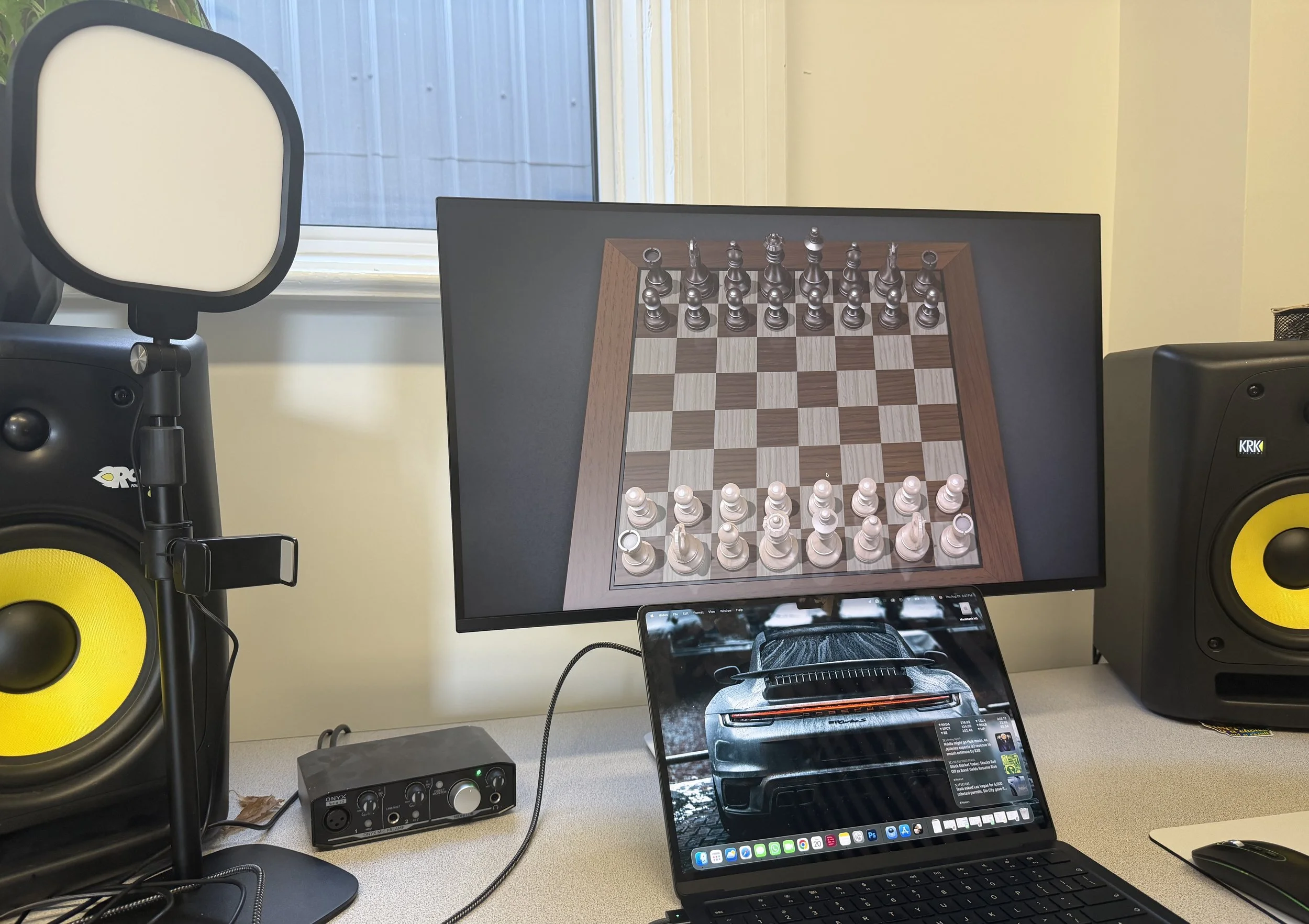
Lucky for me, my parents did feel chess was good for me, so I was allowed to play as much as I wanted.
Believing that chess was good for me, I found reasons to back it up. Pattern recognition was one of the main reasons.
The more I played, the better my pattern recognition became.
Years later, though, I realized that while pattern recognition can be powerful and very useful, it can also have some dangers.
You need to be aware of both.
The powers
Even though pattern recognition has dangers, I would say that as a skill it is still underrated.
Aside from the obvious benefits when it comes to playing games like chess or poker, it can also be used in your professional and personal life.
Professionally, you can spot patterns with recruiting employees, sales and marketing, and complaints on operations or systems.
The potential benefits of spotting a pattern earlier than someone else compound over time and can be the difference between a thriving business and a failing one.
When it comes to investing, this can be taken to an even higher level.
In your personal life, you can spot patterns in your behaviour in relationships, how your body reacts to food, supplements, or skin care routines, and how basic habits affect you.
Again, the benefits of spotting a pattern early can help you see dramatic improvements in your life faster, or prevent something terrible from happening.
So, this all sounds great….
Now, what could go wrong with pattern recognition?
The dangers
There is a very strong possibility that you start to jump to conclusions about patterns, leading you to judge a situation or person too early.
Even though a pattern may appear correct at first, you don’t always know or see the full picture.
People and most situations are quite complex. While a pattern may look a certain way, getting the pattern wrong can lead to disaster.
For example, in your personal life, perhaps an ex was acting a certain way once they started cheating on you. Now, you moved on and have a new partner.
You may think they’re cheating too because of certain behaviour, but perhaps they have a trauma or wound that triggers this behaviour. Assuming they’re cheating would not only be embarrassing, but would probably be quite painful for them.
Professionally, assuming you know a pattern may come out a little different.
You may miss out on a new opportunity or customer, or may think something is a threat that really isn’t.
Or you may think something is becoming a trend when it really is not.
You may jump to the conclusion that the dangers make working on pattern recognition not worth it. But that’s not true.
How to manage the power, while minimizing danger
You don’t want to miss out on the power of pattern recognition because of a fear of the danger.
There are ways you can minimize the danger.
1. Track your state
A lot of the time, especially if your pattern recognition is imprinted due to trauma, your state will affect what you see.
If you are sad, tired, hungry, or angry, you may be seeing something that isn’t actually there.
So, when you spot a pattern, check to see if your state is influencing what you see.
2. Look for disconfirming evidence
Anytime you see a pattern, ask yourself, “What would be true if this pattern was wrong?”, and then look for those things.
You need to question the pattern you see and weigh out what is actually going on.
3. See things the way they are
It’s important to remember that anything or anyone who is new, while there is the possibility of things being similar, will still have a hint of something different.
Learning to see things or people for what or who they are is a skill that takes time and practice. But it is necessary.
One way to think about it is to have “strong opinions, loosely held”.
You can believe that what you are seeing is the same as it was before, but be completely open to being wrong, because you might be.
If you go in with a stubborn mindset or are arrogant, you won’t see things properly. And you will be humbled.
Conclusion
Pattern recognition is without a doubt one of my favourite skills in the world. Partially because it can be improved by playing chess (my fav) and even with music.
But I have seen firsthand the damage that its power can cause.
Jumping to conclusions in relationships, making wrong bets on investments, and applying the wrong marketing tactics… all mistakes I’ve made due to overconfidence in my pattern recognition.
I’ve adapted and gotten better, but this is a lifelong project.
Move carefully.
Thanks for reading.